
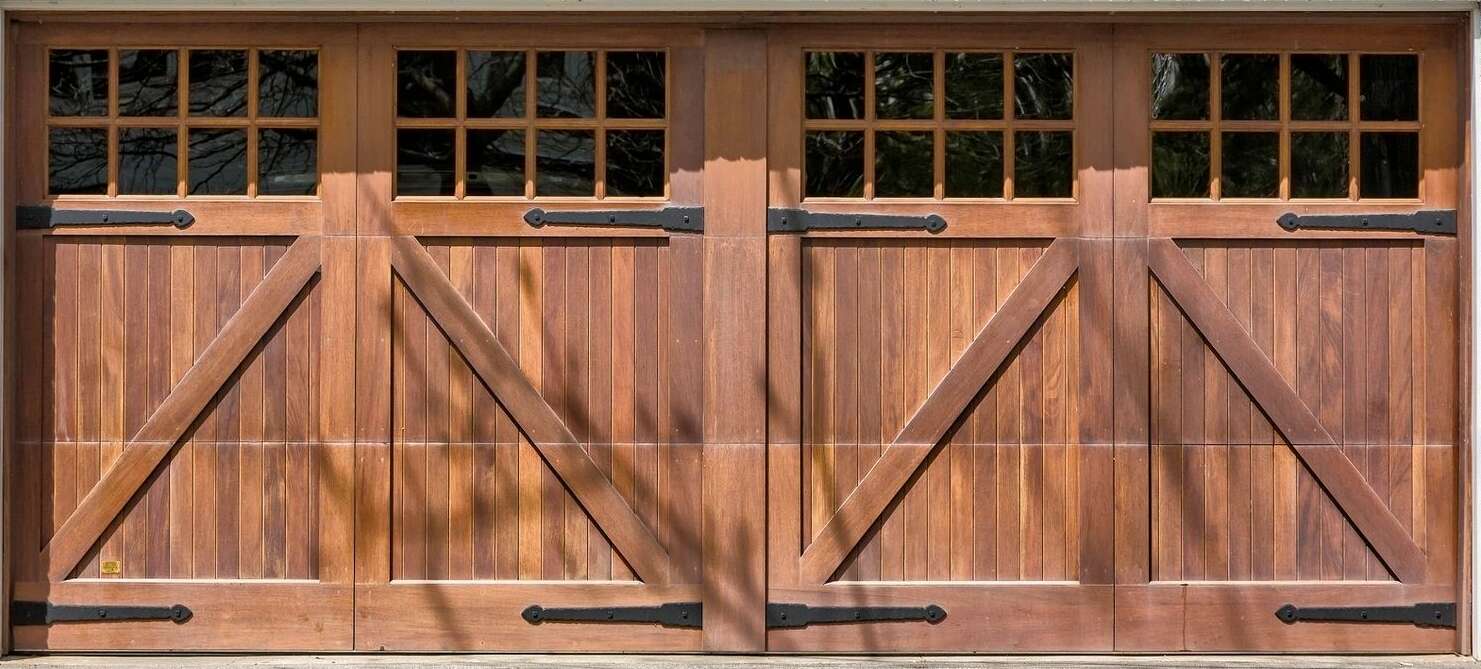
Here’s your full garage door replacement service page description:
Garage Door Replacement
A garage door is one of the largest and most visible features of your home. It takes up nearly a third of your front-facing exterior, it cycles thousands of times over its lifetime, and it’s one of the highest return-on-investment upgrades a homeowner can make — consistently ranking in the top three home improvement projects for resale value. Replacing your garage door is not just a repair decision. It’s a design decision, a durability decision, and a long-term investment in your property.
At Wicked Garage Doors, we walk every customer through four key principles before recommending a single door. Getting these right means you won’t be replacing it again anytime soon.
Principle 1: Design, Color & Texture
Your garage door sets the tone for your entire home’s curb appeal. Before anything else, it needs to look right — complementing your home’s architecture, matching or intentionally contrasting your exterior color palette, and reflecting the style you want to project.
Design options to consider:
- Panel style — There is about four different Panel Designs. Standard, Modern, Carriage, and Custom. Standard would be raised, recessed, flush, many others. Modern would include Aluminum Flush, Window placement, Plank Design, and more. Carriage is the Cottage, Barn, Beach Style and more. Custom, well is unique to your extreme design home.
- Window inserts — Short-line, Thin, long-line, arched, or no windows at all. Windows add light to the garage interior and visual interest to the exterior, but placement matters for both aesthetics and privacy. You can also design obique, rain, frosted, tinted, and auto privacy.
- Color — Manufactures focus on Standard, Modern, Carriage, and Custom. Standard are your white, black, sandstone, charcoals, and more. Modern is your typical darker tones or glossy bronz, silver colors. Carriage is wood color tons, beach colors, and barn. Custom is almost up to your imagination. The right color can make your home look freshly renovated without touching anything else.
- Texture — Smooth steel has a clean modern look. Embossed woodgrain textures add warmth and character without the maintenance of real wood. Real wood doors are stunning but demand significantly more upkeep in Utah’s climate. We also offer layered texture to create depth, texutre, and character to your garage door.
Principle 2: Insulation, Durability & Strength
Not all garage doors are built the same, and the difference between a builder-grade door and a quality insulated door becomes very clear after a Utah winter — or summer.
Insulation types:
- Non-insulated (single layer) — A single sheet of steel with no insulation. The least expensive option, but the least durable and the worst performer in temperature extremes. Common on detached garages where temperature control isn’t a priority.
- Polystyrene insulated (two layer) — A steel exterior with rigid foam board attached to the inside. Better than single layer, but the foam is not bonded to the steel, which allows the panel to flex and the insulation to shift over time.
- Polystyrene insulated in (three layer) – Is two steel exteriors sandwhiching your polystryene panel. While great insulation does not provide the highest yield per square inch.
- Polyurethane insulated (three layer) — The gold standard. Steel exterior, polyurethane foam injected and bonded between two steel skins, steel interior. The foam chemically bonds to both steel layers, creating a single rigid panel that is stronger, quieter, better insulated, and far more dent-resistant than the alternatives.
-
R-Value matters in Utah. The greater the R-value, the better the thermal resistance. An attached garage that shares a wall with your living space can meaningfully affect your home’s heating and cooling efficiency. A polyurethane door with an R-value of 17–18 pays for part of its cost difference in energy savings over time.
Steel gauge matters too. A 24-gauge steel door is thicker and stronger than a 25 or 26-gauge door. Builder-grade doors typically use thinner steel. If you park cars, store equipment, or live in a high-wind area, gauge is worth paying attention to.
Principle 3: Purpose & Usage
This is the principle most homeowners skip — and it’s the one that determines how long your door actually lasts.
How you use your garage directly impacts what door you need. A door on a single-car garage used primarily for storage is a completely different application than a three-car garage that functions as a workshop, a mudroom entry point, a gym, or the primary access point for a busy family.
Questions to ask yourself:
- How many times per day does this door cycle? A family cycling a door 8–10 times daily needs a higher-cycle rated door and hardware than one that opens twice.
- Is the garage heated or cooled? If you’re running a workshop, gym, or hobby space, insulation becomes critical — both for comfort and for protecting equipment.
- Is this a high-traffic residential, commercial or industrial application? Commercial and industrial doors face a fundamentally different standard of use. Steel thickness, spring ratings, track gauge, and hardware specs all need to step up accordingly.
- Is this a primary entry point for your home? If you enter your home through the garage every single day, the opener, springs, and hardware need to be spec’d for that level of use — not builder-grade minimums.
- Do you need impact resistance? High-wind rated doors are available and worth considering in exposed locations. Some HOAs or insurance policies in certain areas may require them.
- What is your garage used for? These days our garages are used for a wide range of family activites. It’s no longer your storage for items, cars, and occasional play room for kids. It’s now extreme sports activites ranging from gym to offroading, gymnastics, dance and more. To your band room to jam out with your friends. The car museum of exotic and rustic history. What ever it maybe there is a specific door built for you and your families activites and we can help.
Matching the door to its actual use is the single biggest factor in minimizing future maintenance costs and repair frequency. A door installed correctly for its purpose will consistently outlast one that wasn’t.
Principle 4: Hardware, Componentry & Long-Term Investment
The door panel itself is only part of the equation. What holds it, moves it, and protects it determines the full lifespan of the system.
Springs — As we covered in our spring replacement guide, high-cycle torsion springs rated for 50,000–100,000 cycles should be the standard on any new installation. Putting a quality door on builder-grade springs is like buying a quality mattress and putting it on a broken frame.
Tracks and rollers — Heavy-gauge tracks and nylon-capped steel rollers run quieter, last longer, and put less strain on your opener than the standard hardware that comes with most builder-grade installs. The upgrade cost is minimal. The difference in performance is noticeable immediately. Track is defined as standard track to reverse angle track and both provide their own unique purpose. When it comes to rollers its starts from builder cheap grade plastics to high end 3″ nylon rollers, even your 100,000 cycle nylon rollers.
Opener compatibility — If you’re replacing the door, assess the opener at the same time. A new heavy insulated door on an underpowered opener will shorten the life of both. Match the horsepower and drive type to the door weight and your usage pattern.
Bottom weatherseal and top astragal — Quality weathersealing keeps Utah’s cold, heat, dust, and moisture where it belongs — outside. It also reduces the gap that pests use to enter. Don’t overlook it on a new install.
Warranty — A quality door from a reputable manufacturer will carry a limited lifetime warranty on the door panels and a multi-year warranty on hardware. Know what’s covered before you sign off.
Why It All Connects
These four principles aren’t independent checkboxes — they work together. A beautiful door with poor insulation will underperform in a heated garage. A heavy-duty door with builder-grade springs will wear out prematurely. A perfectly spec’d door installed without quality hardware leaves money on the table. The goal is a system that performs as a whole, built for the way you actually live.
At Wicked Garage Doors, we don’t sell doors — we build solutions. We’ll walk you through every option, be straight with you about what you need versus what’s overkill for your situation, and install it right the first time.
Serving residential, commercial, and industrial clients across Salt Lake, Davis, and Utah Counties.